
Trump focuses solely on oil prices and his election prospects; Zelenskyy risks angering him by speaking out in criticism
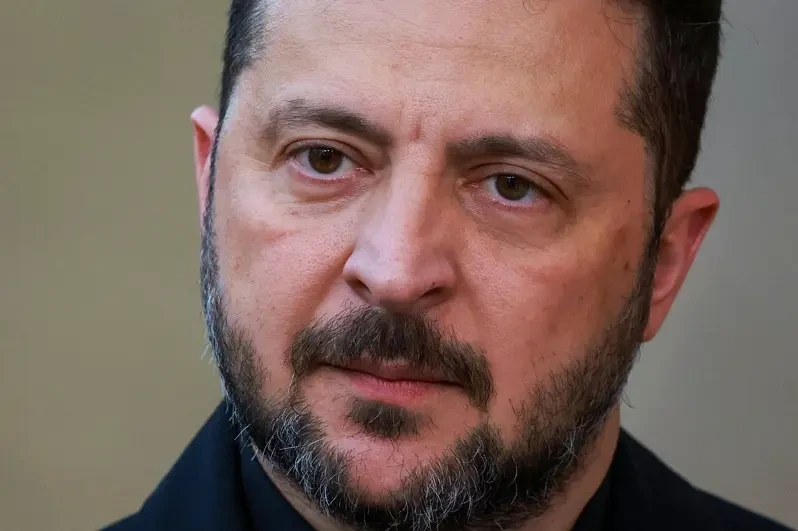
Recently, President Trump has eased energy sanctions on Russia, praised President Putin, intensified pressure on Ukraine, and called for President Zelenskyy to step down—even remarking last week, “I think Zelenskyy is harder to deal with than Putin.” Given their conflicting interests regarding energy, Zelenskyy has chosen to risk further provoking Trump by publicly criticizing him. His goal is to send a clear message to the public in the United States and Europe: Ukraine will defend its own security at any cost, and neither the Russian invasion nor high global oil prices are Ukraine’s fault.
The Wall Street Journal reported on the 18th that Trump announced an agreement with Putin this month under which Russia would supply diesel to the U.S. and global markets—a move he claimed would help lower diesel prices. On the 16th, he also waived a significant portion of the sanctions against Russia that had been mandated by bipartisan legislation, drawing criticism from both parties.
According to reports, on October 9—shortly before Trump announced the diesel deal with Putin—Zelenskyy was in Kyiv meeting with a group of pro-Ukraine U.S. lawmakers, led by Senator Roger Wicker (R-MS), ranking member of the Senate Armed Services Committee. During the meeting, the Republican members of the delegation proposed that the U.S. could authorize the use of Starlink within approximately 200 miles inside Russian territory, provided that Ukraine ceased its strikes on Russian oil refineries. Zelenskyy agreed that this was a sound proposal. However, according to several participants, on that very same day, White House envoys Steve Witkoff and Jared Kushner were in Miami pressuring Ukrainian officials, explicitly demanding that Ukraine halt its attacks on the refineries.
Sources familiar with the matter revealed that Trump has been complaining to Zelenskyy for weeks about Ukraine’s strikes on oil refineries, blaming the attacks for a surge in oil prices and expressing concern that this could negatively impact the outcome of the November midterm elections. Zelenskyy responded that targeting Russia’s energy revenue is a key strategy for Ukraine to compel Putin to end the war. He also proposed a potential solution: if Russia ceases its bombardment of Ukraine’s energy infrastructure—or if the United States provides additional Patriot missile systems to Ukraine this winter to defend against ballistic missile attacks—then Ukrainian forces could halt their strikes on Russian oil refineries.